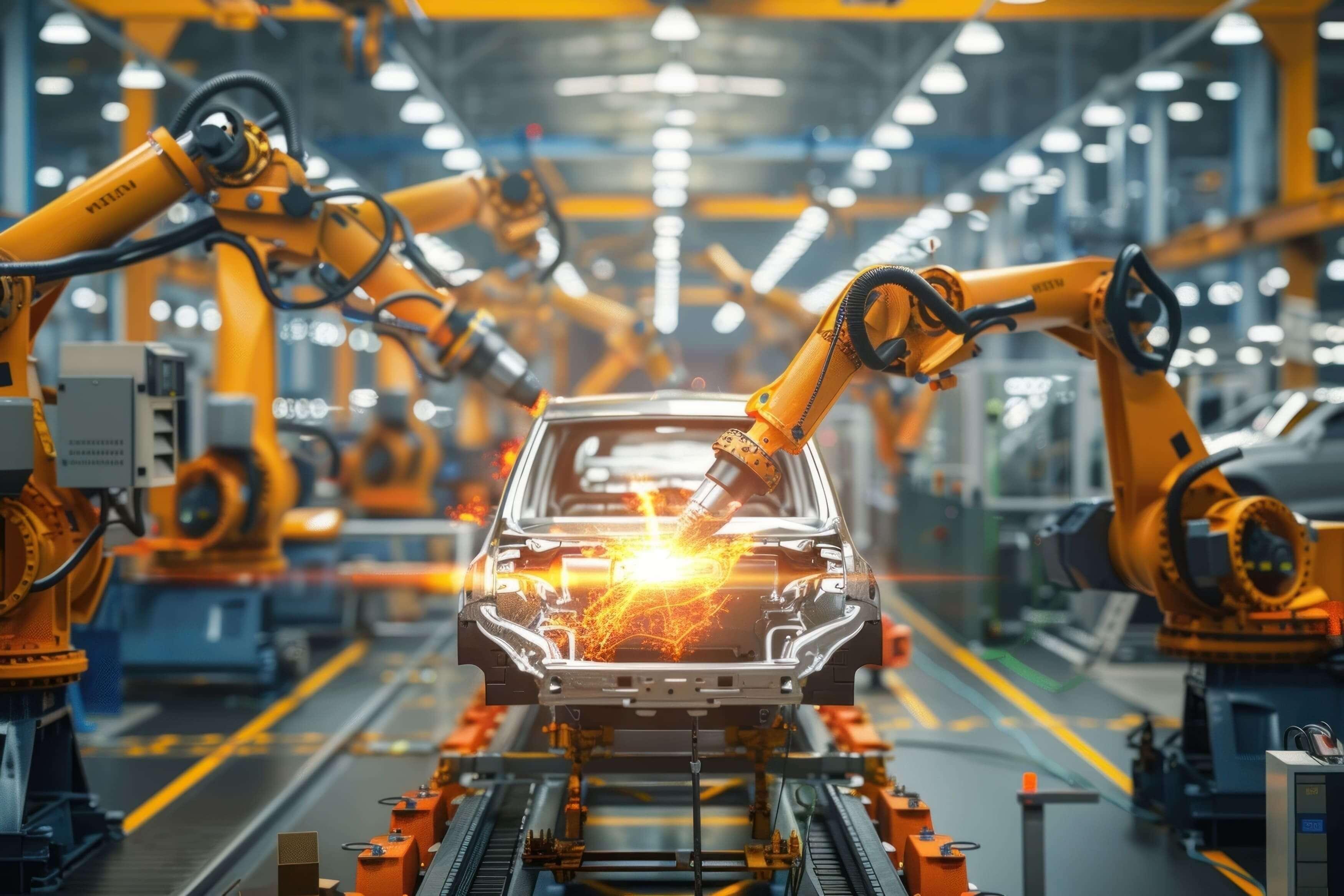
Automotive and Heavy Machinery Optimizing Manufacturing Lines with Intelligent Automation

The automotive and heavy machinery sectors are vital to global industrialisation, but they face challenges like customisation demands, complex production processes, and rising operational costs. Automation offers solutions by enhancing efficiency, reducing errors, and increasing flexibility.

Request a Demo
Automotive and Heavy Machinery Automation Solutions

What challenges do manufacturers face?

01

Complex Manufacturing Processes and Customization demands

Manufacturing vehicles and machinery involve complex processes with multiple stages, including assembly, welding, painting, and final testing. Moreover, companies are increasingly under pressure to offer highly customizable products.

  • 70% of automotive manufacturers report increased demand for customized vehicles, complicating production and increasing lead times by 50%.
  • The average automotive assembly line now handles over 1,500 unique parts per vehicle, with an extremely low error margin.
02

Labor Shortages and Workforce Transformation

The high physical demands of manual labour combined with the complexity of modern production lines make it difficult to attract or retain workers and ensure consistent output.

  • The average age of automotive workers is over 45. This in addition to turnover rates being as high as 30%, implies an impending labour shortage in the near future.
  • 50% of employers report difficulties report difficulties in finding skilled workers for their open manufacturing or logistics related roles
03

Supply Chain Disruptions and Material Costs

Disruptions in global supply chains whether due to natural disasters, geopolitical tensions, unexpected demand spikes, or rising material costs can lead to production delays.

  • Raw material costs have risen by 25% in the last two years.
  • Nearly 70% of automotive companies reported significant supply chain disruptions in 2023.
  • Lead times for key components have increased by over 40%, affecting production schedules.
04

Rising Operational Costs

Higher material, energy, and labour costs strain profitability.

  • Energy costs for manufacturing have surged by 20%, and labour costs have risen by 10% annually due to workforce shortages and competitive hiring
  • Manufacturers are expected to invest $200B in new technologies over the next 5 years to stay competitive

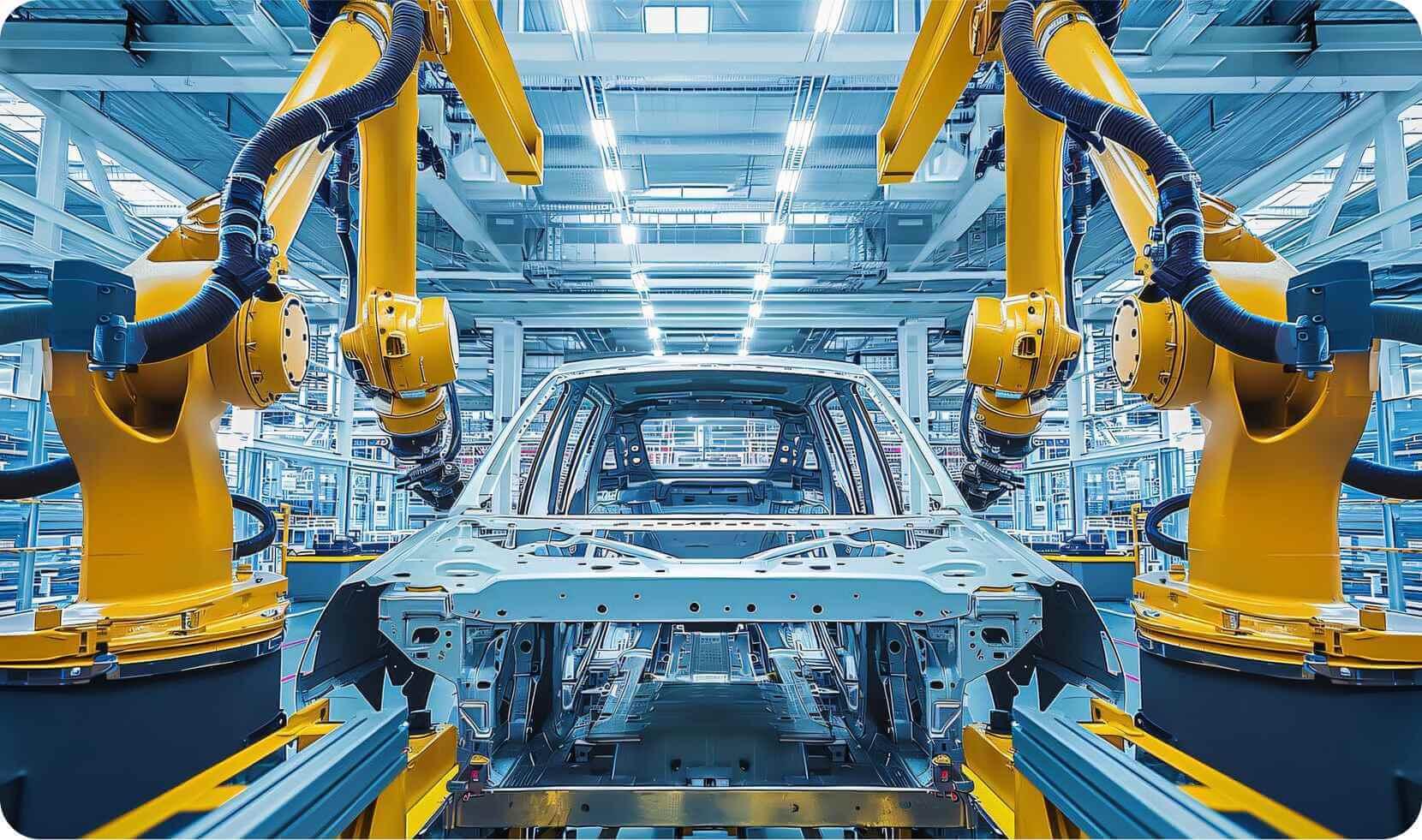
How automation helps

Automated Assembly Lines

Automation streamlines repetitive tasks like welding and assembly, reducing human error and boosting production.

  • Automated lines can improve productivity by 40%.
  • Robots perform tasks with tolerances as tight as ±0.01 mm, which is critical for high-performance parts.
  • Automated systems run 24/7, minimizing downtime and maximising output.
Automated Assembly Lines

What should you consider when implementing Automation?

01

Future Scalability

Choose adaptable systems that can grow with your business.

Scalable robotics systems allow companies to add on or change units as per shifting market demands while avoiding large reinvestment costs.

02

Sustainability

Invest in energy-efficient solutions to reduce your carbon footprint.

Botsync's AMRs consume 30% less energy compared to traditional material handling equipment, helping manufacturers reduce their carbon footprint.

03

Workflow Integration

Ensure automation seamlessly fits into existing processes for smoother transitions and faster ROI

Platforms with open APIs can connect to ERP and MES systems, ensuring a smooth integration and faster ROI.

Get In Touch

Loading form...